

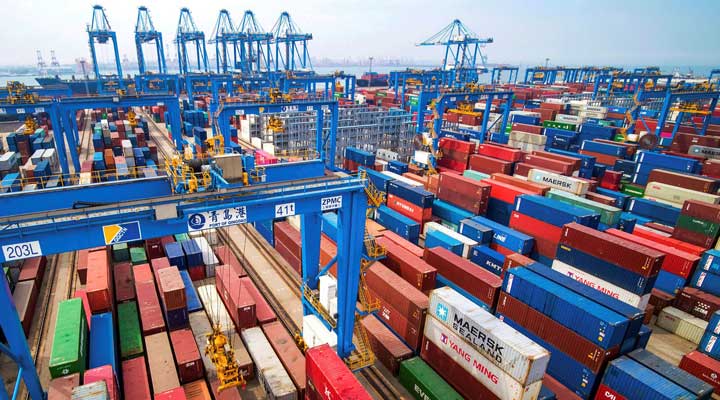
China foreign trade set to grow
Experts forecast that China's foreign trade will continue growing steadily in 2023, driven by improvements in trade structure and proactive measures to address challenges such as geopolitical tensions and external demand fluctuations. The growth in foreign trade will significantly boost the global supply chain and contribute to China's GDP. Moreover, exports are expected to increase in the year's second half as factories adapt to changing demands from overseas customers.
The new growth drivers of China's foreign trade will likely come from ASEAN countries and those related to the Belt and Road Initiative. The robust performance of exports from January to April was led by its fast-growing green and high-end manufacturing sectors, including EVs, lithium-ion batteries, and solar cells, and greater participation in trade shows at home and abroad.
Demand is predicted to rise in the third and fourth quarters as inflation overseas gradually eases. The Chinese government has brought in policies that boost the stability, scale, and quality of foreign trade, including hosting offline exhibitions, enabling the resumption of international passenger flights, and issuing country-specific trade guidelines. These measures will effectively improve China's foreign trade throughout the year.
Domestic manufacturers should take this opportunity to upgrade their manufacturing capacity, offer customers higher value-added products, and take more orders.
Experts believe that China's commitment to speeding up the modernization of its industrial system will inspire both exporters and foreign-funded companies to innovate more and invest in production capacity, despite the US's attempts to diversify in key supply chain areas. Simultaneously, China must attract new international markets to offset losses caused by lower demand from some European countries and the United States, and more effort should be made to increase trade cooperation with BRI countries and ASEAN.
The world's largest free trade pact, the Regional Comprehensive Economic Partnership, will come into effect in June and boost exports and imports between China and the fifteen signatory states.