

Russia lifts diesel export ban
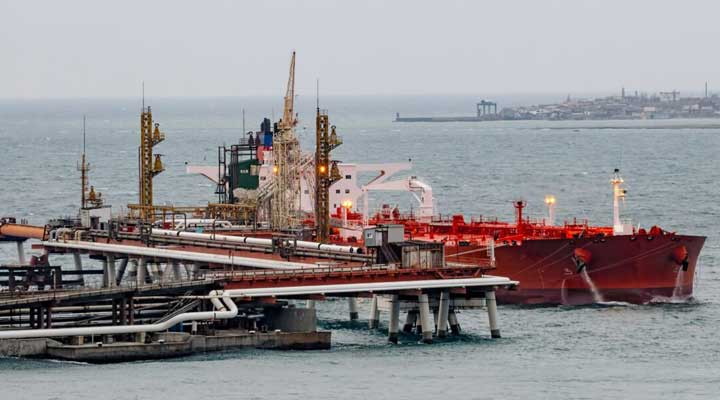
The Russian government has announced it is lifting a ban on pipeline diesel exports via ports, which had been in place since last month to stabilize fuel prices in the domestic market and which caused considerable disruption to the world market. Diesel is Russia's primary oil product export, with millions of tonnes shipped annually, with most shipments being transported via pipelines. While this decision has caused global oil prices to drop after spiking on news of the ban, restrictions on gasoline exports are still in effect.
The ban on fuel exports from Russia has had a massive effect on world prices and has forced buyers to look for alternative sources. In response to the EU's ban on Russian fuel imports, efforts were redirected to Brazil, Turkey, some countries in Africa, and the Gulf states. The countries in the Middle East refined the diesel at their own refineries and then reexported it elsewhere.
The ban on fuel exports led to shortages and high fuel prices in Russia, badly affecting farmers during the critical harvesting season. While wholesale diesel prices on local exchanges have fallen by 21% since the ban began, retail prices have not yet fully adjusted accordingly. However, Deputy Prime Minister Alexander Novak has expressed optimism that the ban is starting to show positive results.
The Russian government has taken additional measures to regulate the fuel market, with the fuel export duty for resellers, who do not produce fuel themselves, raised from 20,000 roubles to 50,000 roubles per tonne. This increase aims to prevent resellers from stockpiling fuel for future export once the restrictions are lifted and from disguising fuel exports as other products.
The Kremlin's statement stressed that exporting diesel fuel to seaports via pipelines will only be allowed if the manufacturer supplies at least 50% of the diesel fuel produced to the domestic market. The initial ban on fuel exports was implemented to stabilize fuel prices within the domestic market. The Russian government has clarified that these restrictions will remain as long as necessary to maintain market stability. Although the ban on diesel exports has been lifted, restrictions on gasoline exports continue to be enforced.