

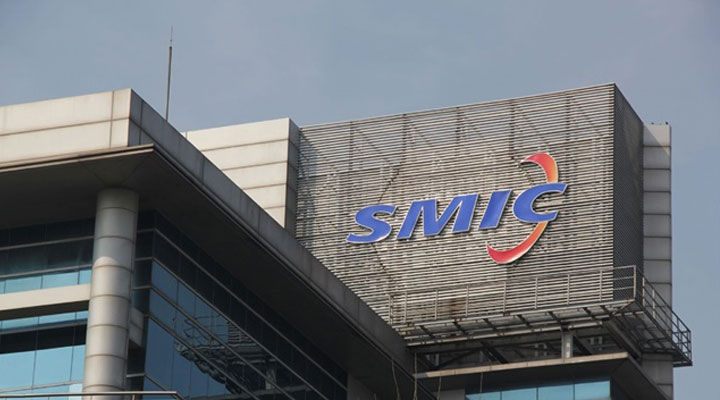
SMIC Shares Drop Nearly 7% After Earnings Miss Estimates
Shares of Semiconductor Manufacturing International Corporation (SMIC), China's largest contract chipmaker, dropped nearly 7% on Friday after the company's first-quarter earnings fell short of expectations.
Following Thursday's market close, SMIC reported first-quarter revenue of $2.24 billion, marking a 28% increase from the same period last year. At the same time, profit attributable to shareholders surged 162% year-on-year to reach $188 million. Despite this growth, both revenue and net income missed expectations and SMIC's forecasts. Analysts had anticipated $2.34 billion in revenue and $225.1 million in net income.
During the earnings call on Friday, a SMIC representative explained that the earnings miss was due to "production fluctuations," which led to a decrease in average selling prices. The company expects this impact to persist into the second quarter.
Looking ahead, SMIC has forecasted a 4% to 6% sequential decline in revenue for the current quarter, and anticipates a decrease in gross margin to between 18% and 20%, down from 22.5% in Q1.
On a positive note, SMIC reported a 15% increase in wafer shipments compared to the previous quarter and a 28% year-on-year increase in shipments. The company attributed this growth to increased customer demand, spurred by geopolitical changes and government policies such as domestic trade-in programs and consumption subsidies.
SMIC also reported a strong performance in capacity utilization, with the first quarter seeing an 89.6% utilization rate, a 4.1% improvement from the previous quarter. This reflects strong domestic demand for semiconductors, driven by industries such as smartphones and consumer electronics.
The company emphasized its ongoing capacity expansion efforts, noting that it is in an "important period of capacity construction, rollout, and market share growth."
However, SMIC's research and development spending dropped to $148.9 million in the first quarter, down from $217 million in the previous quarter. Analysts are concerned that the company's ability to ramp up production of advanced chips is limited by U.S.-led export controls, which prevent it from accessing some of the most advanced chip-making equipment from the Netherlands-based ASML.
Despite these challenges, SMIC has reportedly made strides in manufacturing advanced chips, which have been featured in various Huawei products, including the Mate 60 Pro smartphone and AI processors.
During the earnings call, SMIC also acknowledged the potential impact of the U.S.-China trade war on demand and noted a lack of visibility for the year's second half.
SMIC's shares listed in Hong Kong have seen a 32.23% gain year-to-date.